

Brussels, January 13, 2026. The ambitious SCIANCE project has officially launched its activities with a kickoff meeting in Brussels, marking an important milestone in coordinating and advancing Artificial Intelligence for Science (AI in Science) across Europe. Within this initiative, SoBigData RI acts as the Scientific Coordinator for the Social Sciences and Humanities (SSH) community, ensuring that SSH perspectives are fully integrated into Europe’s evolving AI in Science landscape.
Wireless networks are increasingly vulnerable to sophisticated attacks that exploit predictable patterns in communication standards. Among the most effective of these threats is pilot jamming, where attackers target the special reference symbols (pilots) used in OFDM-based systems to estimate and equalize wireless channels.
Research has shown that pilot jamming attacks can achieve 100% effectives and be more efficient than conventional jamming, making them a critical security concern for next-generation wireless networks.

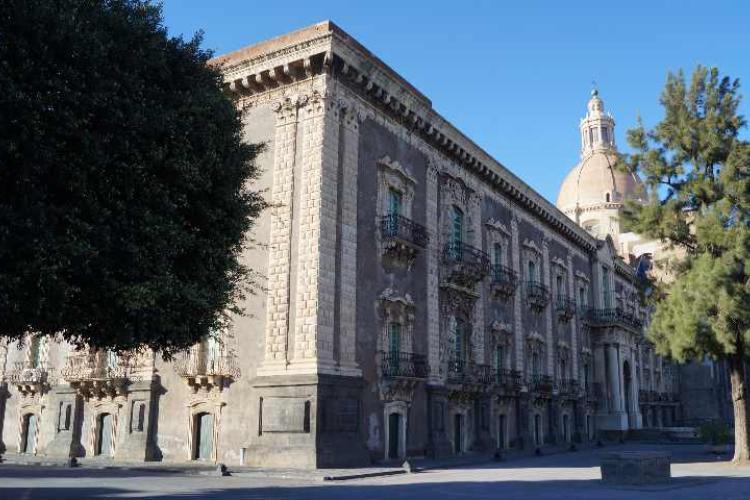
Within the SoBigData.it Transnational Access program, I carried out a research visit at the University of Catania, collaborating with Prof. Fabio Busacca and Prof. Sergio Palazzo on the study of Age of Information (AoI) as a performance metric for Wi-Fi-enabled Industrial IoT systems. AoI quantifies how fresh the information used by AI-driven controllers remains over time — a key factor for real-time automation and predictive maintenance.
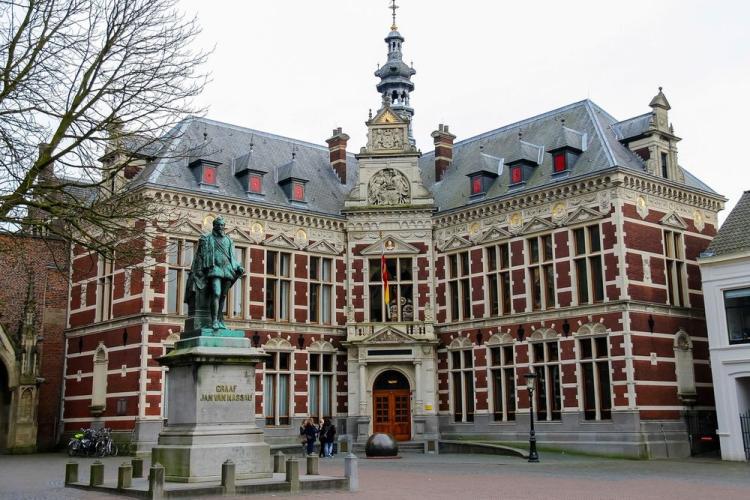
In the second half of July 2025, thanks to the SoBigData.it TransNational Access (TNA) program, I had the pleasure of visiting Utrecht University (The Netherlands) and meeting with Prof. Claudio Di Ciccio and his research group.
The primary goal of the two-week visit was to establish a mutual understanding of our respective research activities at ICAR-CNR and Utrecht University, and to define a strong foundation for future joint research.
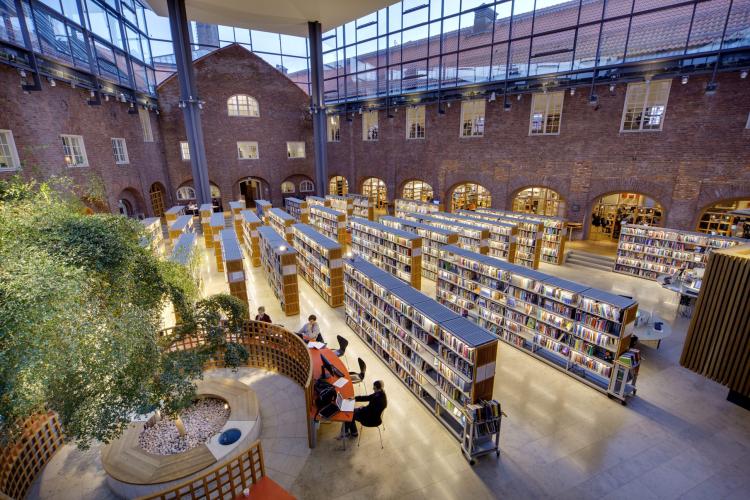
On September 2025, I carried out a research visit at the KTH Royal Institute of Technology in Stockholm, working with Professor Šarūnas Girdzijauskas and his staff within the framework of the SoBigData.it Transnational Access Programme. The visit aimed to explore new directions in federated learning and cybersecurity, foster collaborations, and open future research opportunities.
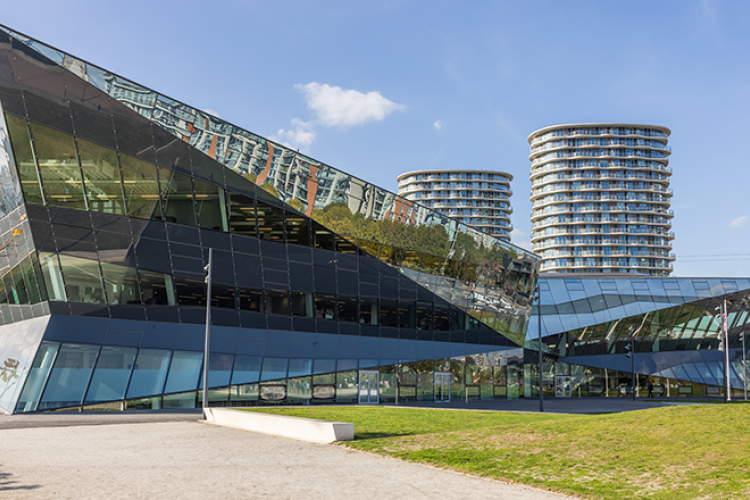
In July 2025, I had the pleasure of spending a week at King’s College London, deepening an already exciting collaboration between my team at ICAR-CNR and the research group led by Prof. Mousavi at the Department of Informatics.
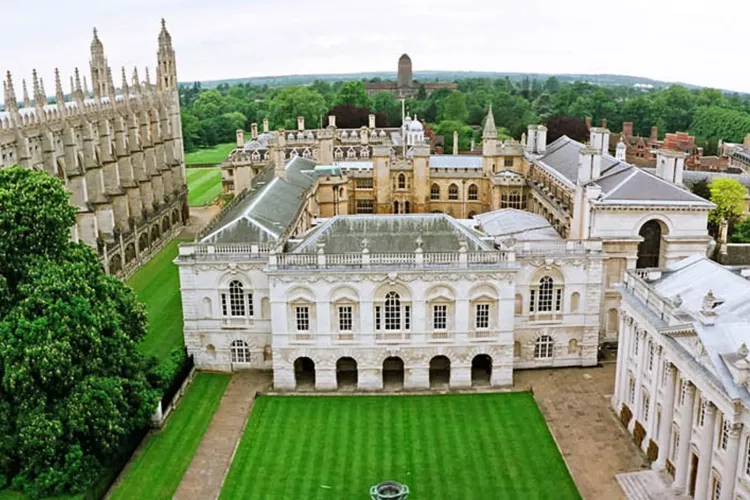
I had the privilege of spending a highly insightful week in London, meeting with Prof. Pier-Giorgio Masci from King’s College. This visit marked a significant step forward in our joint initiative focused on AI-enhanced segmentation techniques for cardiovascular magnetic resonance (CMR) images. Prof. Masci provided an enriching perspective on current challenges and opportunities in automated CMR analysis.
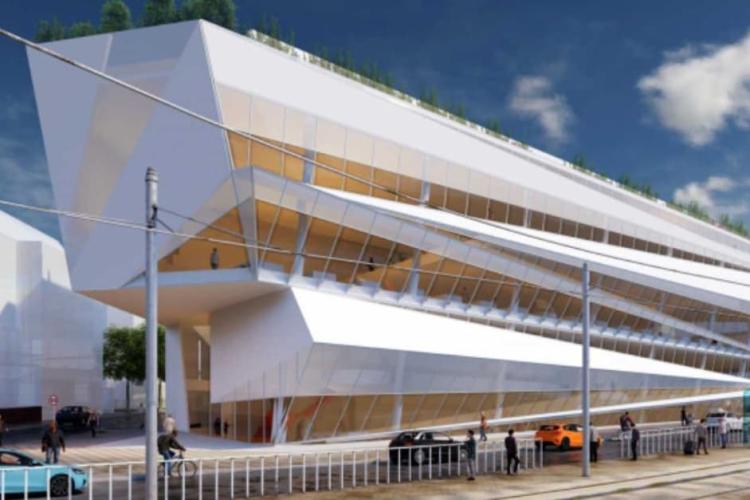
As part of my PhD journey, I had the opportunity to visit the well-known NLP lab at University of Sheffield in the United Kingdom through the SoBigData++ Transnational Access (TNA) program. This experience was not only inspiring for my research but also enriching on a personal and professional level. In this post, I aim to share insights about my TNA experience and the research I conducted between October and December.